Yard Umbrellas Guide: Choosing Freestanding Shade for Gardens and Backyards
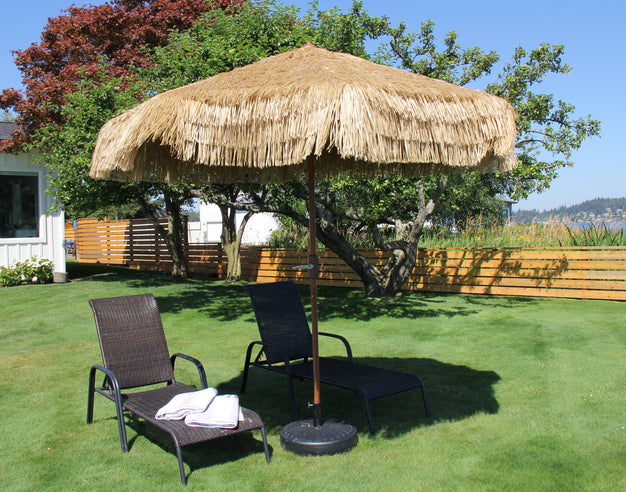
The right yard shade umbrella can transform a garden, lawn, pool area or backyard seating space much more comfortable during hot afternoons. In contrast to a table-mounted patio umbrella, a freestanding yard umbrella is commonly set wherever shade is needed most, including beside a lounger, over a bench, near a pool or in a quiet garden corner. This feature makes it flexible, useful and visually important. The right yard umbrellas do more than block sunlight. They help define outdoor areas, prevent furniture from sun damage, add colour and build a calm atmosphere for family, guests or customers. Whether you want a basic outdoor garden umbrella, a stylish decorative outdoor umbrella or a strong freestanding umbrella for open ground, the best choice depends on canopy size, base weight, frame strength, fabric quality and overall style.
What Is a Yard Umbrella?
A yard umbrella is an outdoor shade umbrella designed to stand on its own in a base rather than being supported by a dining table. It usually has a central pole, a broad canopy and a heavy base that holds it steady. This structure makes it ideal for areas without fixed shade or where seating changes from season to season. A backyard umbrella may be used near garden chairs, sun loungers, outdoor sofas, children’s play areas or poolside seating. Because it stands alone, it often becomes a visible feature in the space, so appearance matters as much as function.
How a Yard Umbrella Differs from a Patio Umbrella
Yard and patio umbrellas can look similar, but their use differs. A patio umbrella is usually inserted through a table, which adds stability to the pole. A yard umbrella does not have that extra support, so the base must be much heavier and more stable. This is particularly important on open lawns or beside pools where wind can flow easily. A yard umbrella also serves as a visual element because it is not part of a table setup. Colour, shape and finish should match the mood of the garden, whether that mood is traditional, tropical, resort-inspired or relaxed.
Why Freestanding Shade Works Well Outdoors
A free-standing umbrella gives you freedom that fixed shade structures cannot always offer. You can move it beside a pool in the morning, shift it to a bench later or adjust it near a lawn seating area when guests arrive. It is simpler to store than a gazebo, less costly than a permanent structure and more flexible than shade sails. Many models also offer tilt functions, allowing the canopy to adjust with sunlight through the day. For homeowners who want shade without installation, a yard umbrella is a practical and stylish option.
Choosing the Right Canopy Size
The right size depends on the area you want to shade rather than the size of a table. A smaller 6 ft canopy can be ideal for a small seating setup or bench. A 7 ft canopy gives more shade for two chairs or a compact seating corner. An 8 to 9 ft canopy is ideal for bigger outdoor spaces. A larger canopy gives greater coverage, but it also catches more wind, so the base must be selected carefully. For most home spaces, a balanced canopy size offers the best balance of shade and safety.
Importance of Base Weight
The base is a critical component of any yard shade umbrella. Since there is freestanding umbrella no table to support it, the base handles all stability for keeping the umbrella safe and upright. A compact model may work with a light base, while a bigger umbrella needs a heavier option. Open lawns, pool decks and exposed corners usually need additional stability. Fillable bases are practical because they can be filled with sand or water. On grass, some prefer ground anchors. Whatever the surface, the umbrella should remain stable before it is completely opened.
Canopy Fabric and Durability
Outdoor umbrellas are exposed to sun, rain and environmental conditions, so canopy fabric matters. A good yard umbrella should use fade-resistant and water-resistant material. Polyester can be a common option, while heavier fabrics are ideal for heavy use. A pool umbrella should resist splashes, damp air and sunlight. UV-resistant fabric also helps protect people and furniture.
Umbrella Frame and Construction
The frame affects both appearance and durability. Wooden poles give a warm, natural look. Aluminium is lighter, rust-resistant and easy to handle. Steel frames are sturdy, but they need protection. A crank lift is easy to use, while a pulley system gives a traditional feel. Tilt functions are very helpful.
Wind Vents and Outdoor Safety
A wind vent is a helpful addition for yard umbrellas. It lets airflow reduce pressure, reducing strain. However, no umbrella should be left open during bad weather. Closing it when not in use extends lifespan. Good handling practices improve durability.
Where to Place a Yard Umbrella
A backyard umbrella can enhance various spaces. Beside a pool, it creates shade. In a garden, it adds relaxation. On a lawn, it defines seating space. Near an outdoor sofa, it improves usability. The key is placing it correctly.
Decorative Yard Umbrella Styles
A decorative outdoor umbrella can enhance style. A traditional design works well. A café-style umbrella creates a café look. A tiki umbrella brings a tropical feel. Neutral shades feel calm.
Yard Umbrellas for Poolside Areas
A pool umbrella should be selected properly. The canopy should be durable. The base should be heavy and stable. A tilting canopy helps block sun. Durability and strength matters most.
Care and Storage Tips
Regular care helps extend life. The canopy should be washed and aired. The frame should be checked regularly. During harsh weather, it should be stored safely. Proper care preserves appearance.
Selecting the Right Heininger Umbrella
A Heininger umbrella can offer a balance of style and function. Options may include classic, café or tropical styles. When choosing, consider usage and design.
Conclusion
A yard umbrella is a simple way to add style and shade. The best choice depends on size, base, material and design. A garden umbrella suits small areas, while a freestanding umbrella suits bigger outdoor spaces. Decorative styles improve visual appeal. With proper care, a yard umbrella can last longer and make your outdoor space more enjoyable.